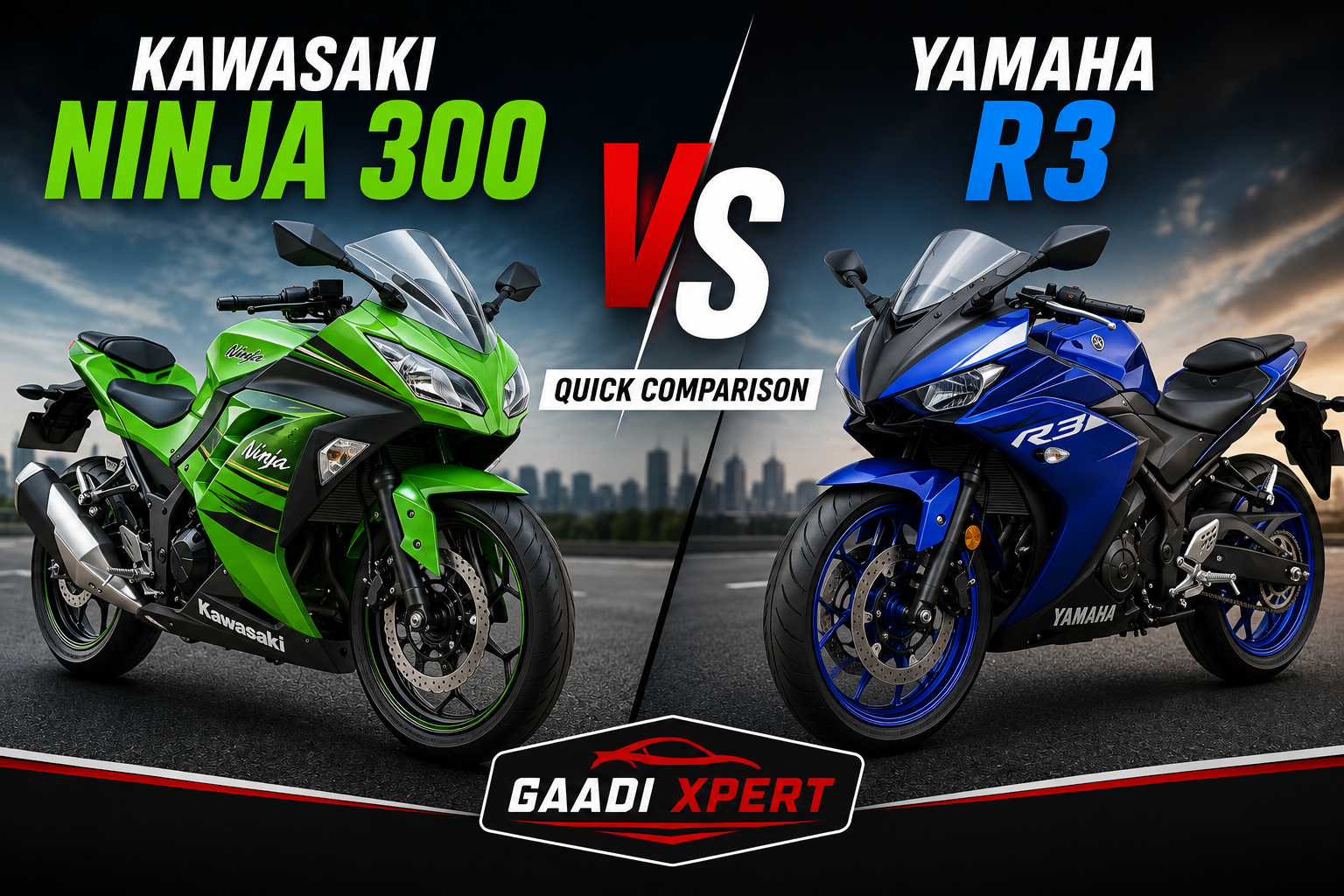
The premium entry-level sports bike segment in India has become more exciting than ever, and the Kawasaki Ninja 300 vs Yamaha R3 comparison is one of the most searched topics among enthusiasts. Both motorcycles offer twin-cylinder engines, sporty styling, premium components, and impressive highway performance, but they target slightly different riders.
If you’re planning to buy a fully faired sports bike in 2026, the Kawasaki Ninja 300 vs Yamaha R3 comparison will help you understand which motorcycle delivers better value. From pricing and styling to engine performance and riding dynamics, every aspect matters before making such an investment.
The Kawasaki Ninja 300 has built a strong reputation for its refined engine, comfortable ergonomics, and excellent long-distance touring ability. Meanwhile, the Yamaha R3 is known for its lightweight handling, aggressive riding position, and race-inspired character.
This detailed Kawasaki Ninja 300 vs Yamaha R3 comparison explains every major difference so you can choose the bike that perfectly matches your riding style.
Kawasaki Ninja 300 vs Yamaha R3: Price Comparison
Price plays an important role while choosing a premium motorcycle.
The Kawasaki Ninja 300 continues to be one of the most affordable twin-cylinder motorcycles available through Kawasaki dealerships in India. Thanks to local assembly, Kawasaki has managed to keep pricing competitive despite offering premium engineering.
The Yamaha R3 returned to the Indian market as a completely imported model, making it noticeably more expensive. Although Yamaha offers outstanding quality and performance, buyers need to pay a premium for the brand’s supersport heritage.
Expected Ex-Showroom Price
| Motorcycle | Expected Price |
|---|---|
| Kawasaki Ninja 300 | ₹3.45–3.55 lakh |
| Yamaha R3 | ₹4.60–4.70 lakh |
The biggest takeaway from the Kawasaki Ninja 300 vs Yamaha R3 comparison is the nearly ₹1 lakh price difference. Budget-conscious buyers may naturally lean towards the Ninja 300, while enthusiasts looking for Yamaha’s latest global platform may justify the higher price.
Kawasaki Ninja 300 vs Yamaha R3: Design and Road Presence
Design is one of the strongest reasons buyers consider either of these motorcycles.
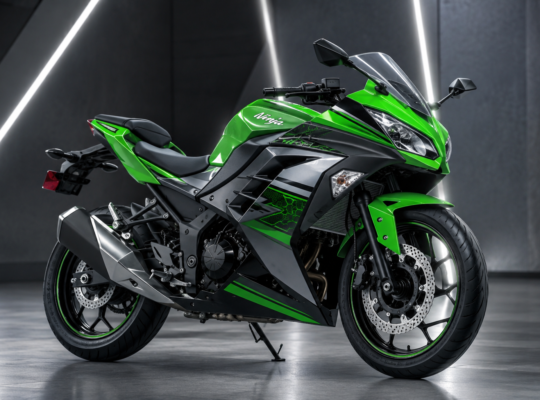
The Kawasaki Ninja 300 carries Kawasaki’s iconic Ninja styling with sharp fairings, dual projector headlamps, aerodynamic body panels, and an aggressive front fascia. Even after several years in the market, the motorcycle still attracts attention because of its classic supersport appearance.
The Yamaha R3 adopts a much sharper and more modern design inspired by Yamaha’s larger supersport motorcycles. The central LED projector setup, sleek LED DRLs, sculpted fuel tank, and race-inspired tail section give the R3 a premium international look.
Kawasaki Ninja 300 Design Highlights
- Twin projector headlamps
- Large aerodynamic fairing
- Sporty split seats
- Muscular fuel tank
- Premium dual-tone graphics
- Attractive alloy wheel design
Yamaha R3 Design Highlights
- Central LED projector headlamp
- Signature DRLs
- Aggressive front fairing
- Lightweight bodywork
- Sharp tail section
- Racing-inspired styling
In the Kawasaki Ninja 300 vs Yamaha R3 comparison, buyers looking for a traditional supersport appearance may prefer the Ninja 300, while riders wanting a more modern and sharper design are likely to appreciate the Yamaha R3.
Kawasaki Ninja 300 vs Yamaha R3: Dimensions and Ergonomics
Comfort is equally important, especially for riders covering long distances.
The Kawasaki Ninja 300 offers a relatively upright riding posture compared to many supersport motorcycles. The slightly raised handlebars and comfortable seat make it suitable for city commuting as well as weekend touring.
The Yamaha R3 features a sportier riding triangle with lower clip-on handlebars and a slightly more aggressive stance. This setup improves cornering confidence but may feel less comfortable during long city rides.
Dimension Comparison
| Specification | Kawasaki Ninja 300 | Yamaha R3 |
|---|---|---|
| Engine | 296cc | 321cc |
| Kerb Weight | Approx. 179 kg | Approx. 169 kg |
| Seat Height | 780 mm | 780 mm |
| Fuel Tank | 17 litres | 14 litres |
During the Kawasaki Ninja 300 vs Yamaha R3 comparison, the Yamaha R3 benefits from its lighter overall weight, while the Ninja 300 offers a larger fuel tank that improves touring range.
Kawasaki Ninja 300 vs Yamaha R3: Engine and Performance
Performance is where this Kawasaki Ninja 300 vs Yamaha R3 comparison becomes particularly interesting.
The Kawasaki Ninja 300 is powered by a 296cc parallel-twin, liquid-cooled engine producing around 39 PS and 26.1 Nm of torque. The engine is paired with a six-speed gearbox featuring an assist and slipper clutch, making gear shifts smoother and reducing wheel hop during aggressive downshifts.
The Yamaha R3 uses a 321cc liquid-cooled parallel-twin engine producing approximately 42 PS and 29.5 Nm of torque. Like the Ninja, it also comes with a six-speed gearbox, but its larger displacement gives it a stronger mid-range and slightly better top-end performance.
Engine Specifications
| Specification | Kawasaki Ninja 300 | Yamaha R3 |
|---|---|---|
| Engine | 296cc Twin | 321cc Twin |
| Power | 39 PS | 42 PS |
| Torque | 26.1 Nm | 29.5 Nm |
| Gearbox | 6-Speed | 6-Speed |
| Cooling | Liquid-Cooled | Liquid-Cooled |
| Slipper Clutch | Yes | Yes |
The Kawasaki Ninja 300 vs Yamaha R3 comparison shows that the Yamaha R3 has a clear advantage in outright performance thanks to its larger engine and higher power output. However, the Ninja 300 delivers power in a smooth and predictable manner, making it easier for newer riders to build confidence.
For daily commuting, both motorcycles remain refined and enjoyable. On highways, however, the Yamaha R3 feels slightly quicker during overtakes, while the Kawasaki Ninja 300 impresses with its relaxed cruising ability and refined engine character.
Overall, the Kawasaki Ninja 300 vs Yamaha R3 battle in terms of engine performance depends on rider preference. If maximum performance is your priority, the Yamaha R3 has a slight edge. If you value refinement, comfort, and proven reliability, the Ninja 300 continues to be a strong contender.
Kawasaki Ninja 300 vs Yamaha R3: Features and Technology
Modern sports bikes are no longer just about engine performance. Riders today expect premium technology, advanced electronics, and everyday practicality. This is where the Kawasaki Ninja 300 vs Yamaha R3 comparison becomes even more interesting.
The Kawasaki Ninja 300 offers a simple yet functional equipment list. Kawasaki has focused on reliability rather than loading the motorcycle with unnecessary electronics. The semi-digital instrument console displays speed, rpm, fuel level, odometer, trip meters, gear position, and other essential riding information in a clean layout.
The Yamaha R3 follows a similar philosophy but benefits from a more modern-looking LCD instrument display and full LED lighting. While it doesn’t offer advanced rider aids like traction control or riding modes, its cockpit feels fresh and premium.
Kawasaki Ninja 300 Features
- Twin LED projector headlamps
- Semi-digital instrument cluster
- Assist and slipper clutch
- Dual-channel ABS
- Comfortable split seats
- Large windscreen
- Hazard warning lights
Yamaha R3 Features
- Full LED lighting
- LCD instrument display
- Assist and slipper clutch
- Dual-channel ABS
- Sporty split seats
- Lightweight chassis
- Premium switchgear
Although both motorcycles avoid excessive electronic aids, the Kawasaki Ninja 300 vs Yamaha R3 comparison shows that Yamaha offers a slightly more modern appearance, while Kawasaki focuses on proven practicality and ease of ownership.
Kawasaki Ninja 300 vs Yamaha R3: Ride Quality and Handling
Ride quality plays a crucial role in deciding which motorcycle suits your riding style.
The Kawasaki Ninja 300 is tuned to provide a balanced riding experience. Its suspension absorbs potholes and broken roads comfortably, making it one of the easiest twin-cylinder sports bikes to live with on Indian roads. Whether riding through city traffic or covering long highway distances, the motorcycle remains composed and confidence-inspiring.
The Yamaha R3 adopts a sharper handling setup. Its lighter kerb weight, rigid chassis, and sporty ergonomics help it change direction quickly. Riders who enjoy attacking corners on twisty roads will appreciate the precision and agility of the Yamaha.
Suspension Setup
Kawasaki Ninja 300
- Telescopic front forks
- Rear mono-shock
- Comfort-oriented tuning
- Stable at highway speeds
Yamaha R3
- Upside-down front forks
- Rear mono-shock
- Sportier suspension setup
- Excellent cornering confidence
In the Kawasaki Ninja 300 vs Yamaha R3 comparison, the Ninja 300 delivers a more comfortable ride for everyday use, while the Yamaha R3 rewards enthusiastic riders with sharper handling.
Kawasaki Ninja 300 vs Yamaha R3: Braking Performance
Braking confidence is essential for any performance motorcycle.
The Kawasaki Ninja 300 uses disc brakes at both ends with dual-channel ABS. Brake feel is progressive, offering predictable stopping power during city riding and highway cruising.
The Yamaha R3 also comes equipped with front and rear disc brakes supported by dual-channel ABS. Thanks to its lower kerb weight and modern chassis, the braking response feels slightly sharper during aggressive riding.
Braking Comparison
| Specification | Kawasaki Ninja 300 | Yamaha R3 |
|---|---|---|
| Front Brake | Disc | Disc |
| Rear Brake | Disc | Disc |
| ABS | Dual Channel | Dual Channel |
| Brake Feel | Progressive | Sportier |
| High-Speed Stability | Excellent | Excellent |
The Kawasaki Ninja 300 vs Yamaha R3 comparison indicates that both motorcycles inspire confidence under braking, although the Yamaha R3 feels a little more performance-focused.
Kawasaki Ninja 300 vs Yamaha R3: Mileage and Fuel Efficiency
Fuel efficiency remains an important consideration even in the premium motorcycle segment.
The Kawasaki Ninja 300 is known for delivering respectable mileage despite its twin-cylinder engine. Depending on riding conditions, owners can expect around 28–32 km/l, making it suitable for regular commuting and touring.
The Yamaha R3 is slightly more performance-oriented but still returns competitive fuel economy. Under mixed riding conditions, it is expected to deliver approximately 25–30 km/l.
Expected Mileage
| Motorcycle | Mileage |
|---|---|
| Kawasaki Ninja 300 | 28–32 km/l |
| Yamaha R3 | 25–30 km/l |
For buyers who prioritize fuel economy, the Kawasaki Ninja 300 vs Yamaha R3 comparison gives a slight advantage to the Kawasaki Ninja 300.
Kawasaki Ninja 300 vs Yamaha R3: Comfort for Daily Riding
Many buyers use these motorcycles every day, making comfort just as important as outright performance.
The Kawasaki Ninja 300 offers a relaxed seating posture, a well-cushioned seat, and smooth engine refinement. Traffic riding feels less tiring, and the motorcycle remains comfortable during long highway journeys.
The Yamaha R3 provides a more committed riding position. While this improves control during spirited riding, it may place additional pressure on the wrists during extended city commutes.
Kawasaki Ninja 300 Comfort
- Upright ergonomics
- Softer seat cushioning
- Better touring comfort
- Larger fuel tank for longer rides
- Less fatigue in traffic
Yamaha R3 Comfort
- Sportier seating position
- Compact riding triangle
- Excellent wind protection
- Better body control during cornering
- Ideal for enthusiastic riders
The Kawasaki Ninja 300 vs Yamaha R3 comparison clearly highlights two different personalities. Kawasaki focuses on everyday usability, whereas Yamaha targets riders who prefer a more engaging supersport experience.
Kawasaki Ninja 300 vs Yamaha R3: Safety Features
Safety equipment has become increasingly important in premium motorcycles, and both manufacturers provide the essentials.
The Kawasaki Ninja 300 includes:
- Dual-channel ABS
- Assist and slipper clutch
- High-grip tyres
- Stable chassis
- Powerful disc brakes
The Yamaha R3 offers:
- Dual-channel ABS
- Assist and slipper clutch
- Lightweight frame
- Full LED lighting
- Strong braking setup
Both motorcycles meet modern safety expectations, making the Kawasaki Ninja 300 vs Yamaha R3 comparison extremely close in this department. Neither bike offers traction control or riding modes, but both provide dependable braking performance and predictable handling.
Kawasaki Ninja 300 vs Yamaha R3: Which Bike Feels Better on the Highway?
Highway performance is one of the biggest reasons riders choose twin-cylinder motorcycles.
The Kawasaki Ninja 300 excels as a long-distance tourer. Its refined engine, comfortable ergonomics, larger fuel tank, and smooth cruising ability make it an excellent companion for weekend road trips.
The Yamaha R3 feels more aggressive at higher speeds. Its stronger top-end performance, lighter chassis, and aerodynamic riding position encourage spirited riding on open highways and winding mountain roads.
When comparing Kawasaki Ninja 300 vs Yamaha R3, touring enthusiasts may appreciate the Ninja 300’s relaxed character, while riders looking for sharper acceleration and a racier feel are likely to enjoy the Yamaha R3 more.
Kawasaki Ninja 300 vs Yamaha R3: Pros and Cons
Every motorcycle has its own strengths and compromises. The Kawasaki Ninja 300 vs Yamaha R3 comparison becomes much clearer when you look at what each bike does best.
Kawasaki Ninja 300
Pros
- Excellent value for money
- Comfortable riding posture for daily use
- Refined parallel-twin engine
- Better fuel efficiency
- Large 17-litre fuel tank
- Proven reliability
- Lower maintenance cost compared to many premium twin-cylinder rivals
Cons
- Older instrument console design
- Conventional telescopic front forks
- Styling has evolved less over the years
- Fewer premium electronic features
Yamaha R3
Pros
- Modern supersport styling
- More powerful 321cc engine
- Lightweight chassis
- Upside-down front forks
- Excellent handling on twisty roads
- Premium fit and finish
Cons
- Higher purchase price
- Smaller fuel tank
- Sportier riding position may not suit everyone
- Limited dealership network compared to mainstream brands
The Kawasaki Ninja 300 vs Yamaha R3 comparison shows that Kawasaki offers practicality and value, while Yamaha focuses on performance and premium appeal.
Kawasaki Ninja 300 vs Yamaha R3: Maintenance and Ownership Cost
Ownership cost is often overlooked while buying a premium motorcycle.
The Kawasaki Ninja 300 has been on sale in India for several years, and spare parts are relatively easier to source through Kawasaki dealerships. Service intervals are well-established, and many owners appreciate its long-term reliability.
The Yamaha R3 also enjoys Yamaha’s reputation for engineering quality. However, because it is positioned at a higher price point, replacement parts and servicing may cost slightly more depending on availability.
Ownership Comparison
| Category | Kawasaki Ninja 300 | Yamaha R3 |
|---|---|---|
| Service Cost | Lower | Slightly Higher |
| Spare Parts | Easier Availability | Moderate Availability |
| Reliability | Excellent | Excellent |
| Touring Capability | Excellent | Very Good |
| Daily Usability | Excellent | Good |
In the Kawasaki Ninja 300 vs Yamaha R3 comparison, the Ninja 300 has an advantage for riders who prioritize lower running costs and everyday practicality.
Kawasaki Ninja 300 vs Yamaha R3: Competition
Both motorcycles compete with several popular premium sports bikes in India, including:
- Aprilia RS 457
- KTM RC 390
- TVS Apache RR 310
- Honda CBR500R (if launched)
- CFMoto 450SR (market dependent)
Even with growing competition, the Kawasaki Ninja 300 vs Yamaha R3 rivalry remains one of the most relevant comparisons because both bikes offer refined twin-cylinder performance and strong brand value.
Kawasaki Ninja 300 vs Yamaha R3: Which One Should You Buy?
Choosing between these motorcycles depends on your riding style and priorities.
Buy the Kawasaki Ninja 300 if you want:
- Better value for money
- Comfortable touring ergonomics
- Smooth and refined engine
- Lower maintenance costs
- Better fuel efficiency
- Everyday practicality
Buy the Yamaha R3 if you want:
- Sharper handling
- More powerful engine
- Modern supersport styling
- Lightweight feel
- Better cornering performance
- Premium global design
The Kawasaki Ninja 300 vs Yamaha R3 comparison proves there is no single winner for every rider. Kawasaki appeals to buyers looking for comfort, reliability, and lower ownership costs, while Yamaha attracts enthusiasts seeking a sportier riding experience and stronger performance.
Also Read Genuine Review About Upcoming TOYOTA URBAN CRUISER
⭐ Gaadi Xpert Verdict
After evaluating design, engine performance, ride quality, comfort, ownership costs, and overall value, here is our final score.
| Category | Winner |
|---|---|
| Price | Kawasaki Ninja 300 |
| Design | Yamaha R3 |
| Engine Performance | Yamaha R3 |
| Highway Touring | Kawasaki Ninja 300 |
| City Riding | Kawasaki Ninja 300 |
| Features | Yamaha R3 |
| Mileage | Kawasaki Ninja 300 |
| Handling | Yamaha R3 |
| Maintenance Cost | Kawasaki Ninja 300 |
| Value for Money | Kawasaki Ninja 300 |
Overall Rating
Kawasaki Ninja 300 – 9.2/10 ⭐⭐⭐⭐⭐
Yamaha R3 – 9.0/10 ⭐⭐⭐⭐⭐
The Kawasaki Ninja 300 vs Yamaha R3 comparison ultimately comes down to priorities. If you want a motorcycle that is comfortable, refined, fuel-efficient, and easier to own over the long term, the Kawasaki Ninja 300 is the stronger overall package.
However, if your focus is maximum performance, sharper handling, and a modern supersport feel, the Yamaha R3 remains one of the most exciting motorcycles in its segment.
For most Indian buyers, the Kawasaki Ninja 300 vs Yamaha R3 battle is won by the Ninja 300 because it delivers a better balance of performance, practicality, ownership costs, and overall value.
Frequently Asked Questions (FAQs)
1. Which is faster, Kawasaki Ninja 300 or Yamaha R3?
In the Kawasaki Ninja 300 vs Yamaha R3 comparison, the Yamaha R3 produces more power and torque, giving it slightly stronger acceleration and top-end performance.
2. Which bike is better for beginners?
The Kawasaki Ninja 300 is generally considered more beginner-friendly because of its comfortable ergonomics, smooth power delivery, and forgiving handling characteristics.
3. Which motorcycle offers better mileage?
The Kawasaki Ninja 300 typically delivers slightly better fuel efficiency than the Yamaha R3 during mixed riding conditions.
4. Which bike is better for touring?
The Kawasaki Ninja 300 vs Yamaha R3 comparison favors the Ninja 300 for touring because of its upright riding posture, larger fuel tank, and relaxed cruising ability.
5. Is Yamaha R3 worth the extra price?
Yes, if you prioritize sharper handling, stronger performance, and modern styling. Otherwise, the Kawasaki Ninja 300 offers better overall value.
6. Which motorcycle has lower maintenance costs?
The Kawasaki Ninja 300 generally has lower ownership and maintenance costs, making it a more budget-friendly option over the long term.
Also Read The Genuine Comparison Between TATA PUNCH & HYUNDAI EXTER