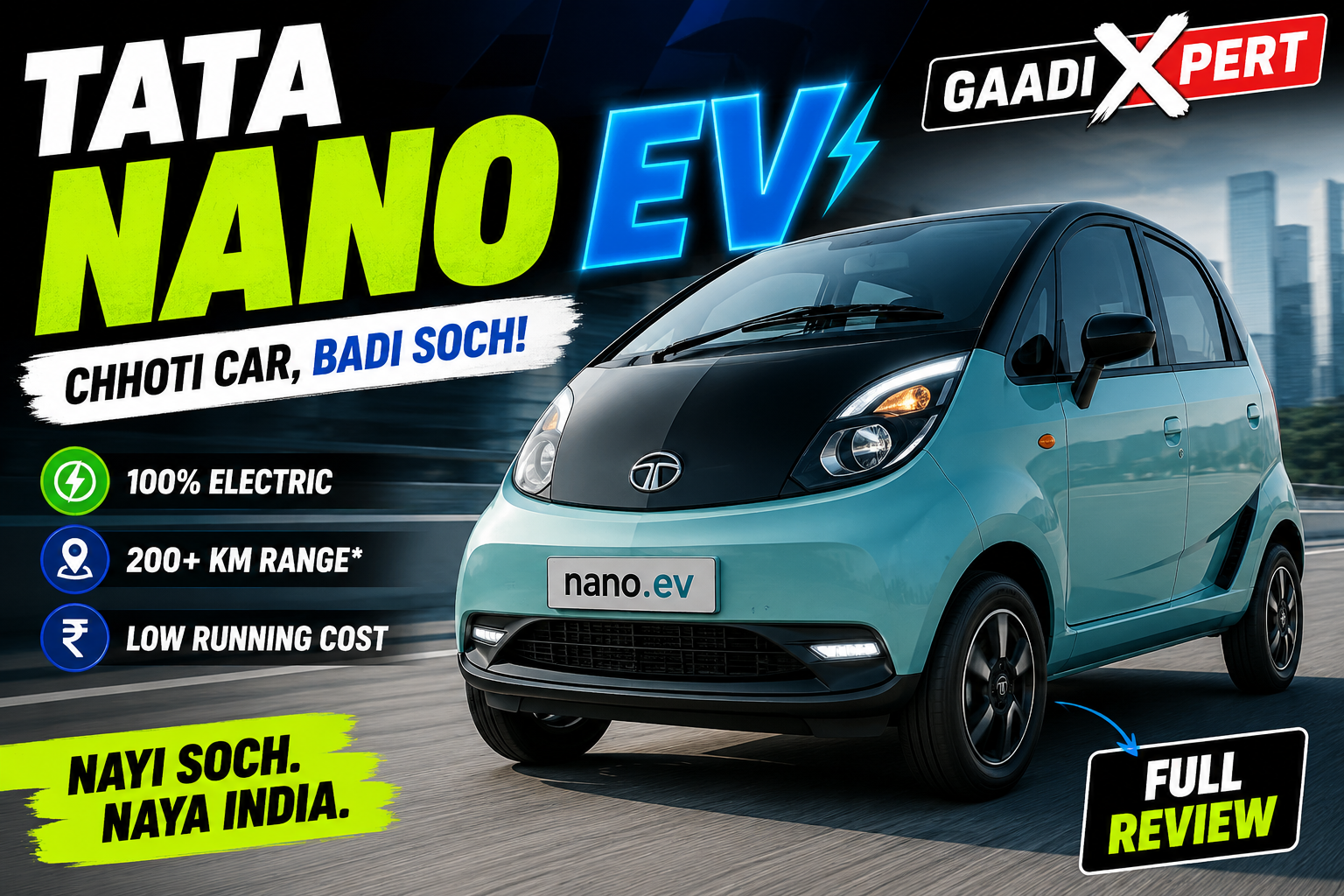
Tata Nano EV : India’s electric vehicle (EV) market is growing rapidly, and Tata Motors has already established itself as one of the strongest players in this space. After the success of models like the Tiago EV and Punch EV, there is growing speculation about the return of another iconic name — Tata Nano EV
The original Tata Nano was known as the “people’s car,” designed to offer affordable mobility to Indian families. Now, in the era of electric mobility, reports and industry discussions suggest that Tata Motors might revive the Nano nameplate in an electric version. However, it is important to note that there is no official confirmation from Tata Motors yet. All information available is based on expectations, market analysis, and automotive leaks.
Tata Nano EV Overview
If launched, the Tata Nano EV is expected to be a compact and budget-friendly electric hatchback designed mainly for city usage. The focus would likely be on affordability, efficiency, and ease of driving in urban traffic conditions.
The EV could be positioned below the Tiago EV, making it the most entry-level electric car in Tata’s lineup. Its compact size would make it ideal for congested cities where parking and maneuverability are major concerns.
Industry experts believe that Tata Motors may use this model to further expand EV adoption in India by targeting first-time electric car buyers.
Tata Nano EV Expected Price in India
Pricing is one of the biggest talking points around the Nano EV. The original Nano was famous for being the most affordable car in India, and the EV version is expected to continue that legacy.
The expected price of the Tata Nano EV could be:
- ₹5 lakh to ₹8.5 lakh (ex-showroom, expected range)
- Possible battery-as-a-service (BaaS) model to reduce upfront cost
If Tata manages to launch it in this price segment, it could become India’s cheapest electric car and significantly boost EV adoption among middle-class buyers.
Tata Nano EV Battery, Range & Performance
The Tata Nano EV is expected to prioritize practicality over high performance. It will likely be designed for short daily commutes, such as office travel, shopping, and city driving.
Expected specifications include:
- Battery pack: 20–30 kWh (estimated)
- Driving range: around 200 km (real-world expected range)
- Motor: Small electric motor optimized for efficiency
- Performance: City-focused rather than highway-oriented
A 200 km range would be sufficient for most urban users, especially those who travel short distances daily. It would also reduce charging frequency, making it more convenient for regular use.
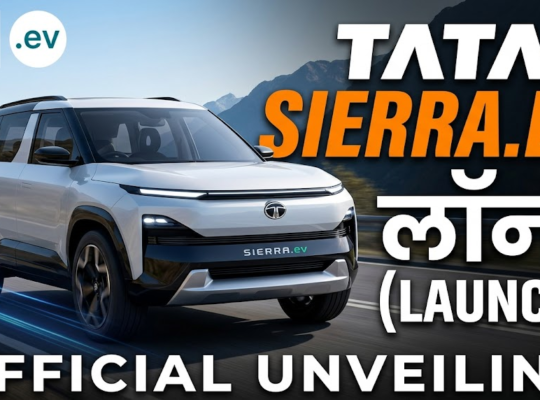
{ Also Read TATA Sierra EV Review }
Tata Nano EV Features & Technology
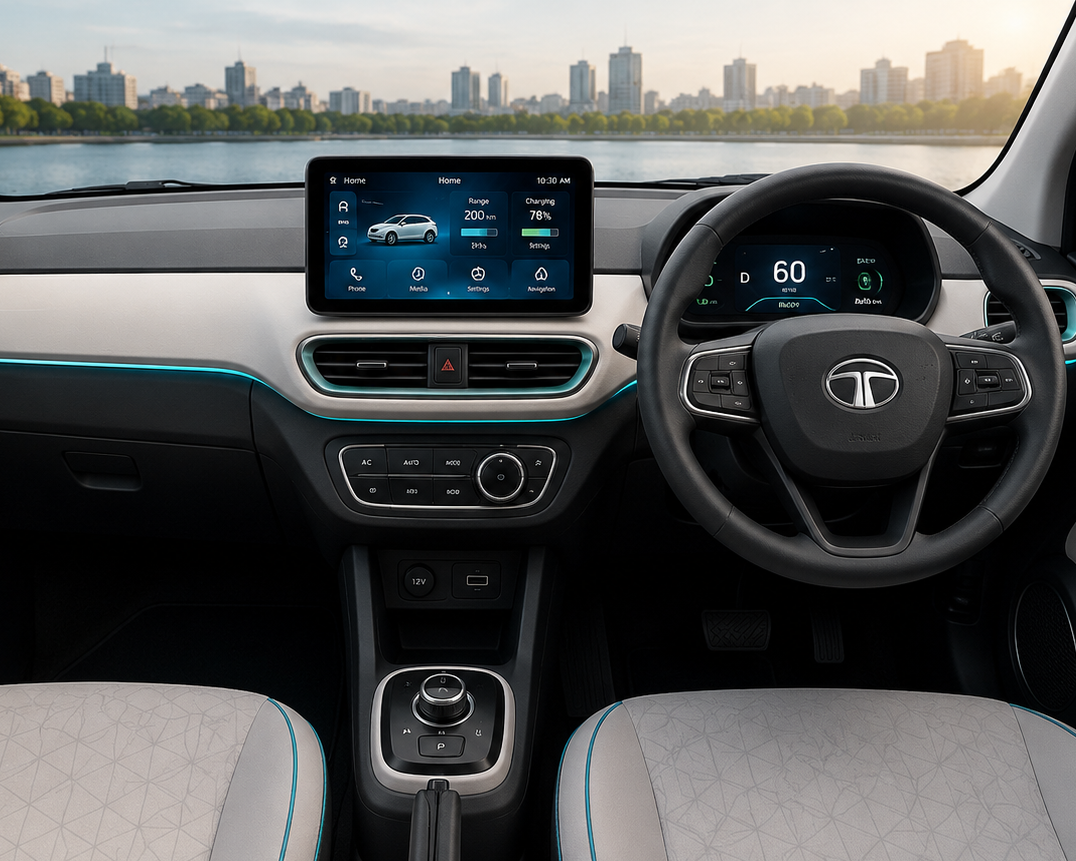
Even though the original Nano was a very basic car, the EV version is expected to be much more modern and technology-focused. Tata Motors has already shown in its EV lineup that even affordable models can include advanced features.
Expected features may include:
- Touchscreen infotainment system
- Digital instrument cluster
- Smartphone connectivity (Android Auto & Apple CarPlay)
- Regenerative braking system
- Fast charging support
- Basic connected car technology
These features would make the Nano EV much more appealing to younger buyers and first-time car owners who expect modern tech even in budget vehicles.
Tata Nano EV Design & Interior
The Tata Nano EV is expected to retain its compact identity but with a completely redesigned and modern look. The goal would be to transform it from a basic budget car into a smart urban EV.
Possible design updates include:
- Compact hatchback body structure
- LED DRLs and modern headlamps
- Improved aerodynamics
- Better interior quality and comfort
- Enhanced safety structure compared to the old Nano
Inside the cabin, the focus would likely be on maximizing space efficiency while offering a more premium feel compared to the previous generation Nano.
Tata Nano EV Charging Time
Charging performance is another important aspect for EV buyers. The Nano EV is expected to support both home charging and fast charging options.
- Fast charging: 0–80% in around 30–60 minutes
- Home charging: 5–7 hours (standard AC charger)
This makes it suitable for overnight charging, which is the most common usage pattern for EV owners in India.
Competition in the Market
If launched, the Tata Nano EV would compete in the entry-level EV segment. Its main competitors could include:
- MG Comet EV
- Tata Tiago EV (base variants)
- Upcoming small electric cars from other manufacturers
However, Nano EV’s biggest advantage would be its expected low pricing and strong Tata brand trust in the EV segment.